





Inside HDD Manufacturing Powering the AI Era: Meet the People Driving Innovation
Inside HDD Manufacturing Powering the AI Era: Meet the People Driving Innovation
2026/05/20 Toshiba Clip Team
- Demand for HDD surges as global data capacity scales rapidly
- Toshiba's largest HDD facility is operating at full capacity, producing high-capacity HDDs
- Enhancing capabilities with the Autonomy Project
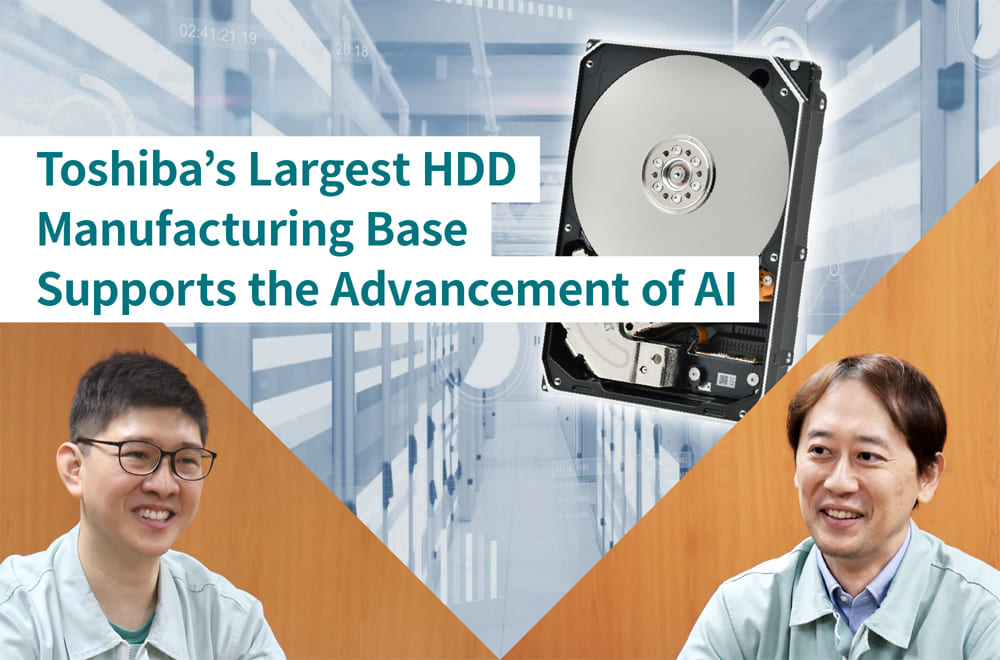
Hard disk drives (HDDs) have been widely used as storage devices for personal computers since the 1980s. In recent years, demand from data centers has grown with the expansion of generative AI and cloud services.
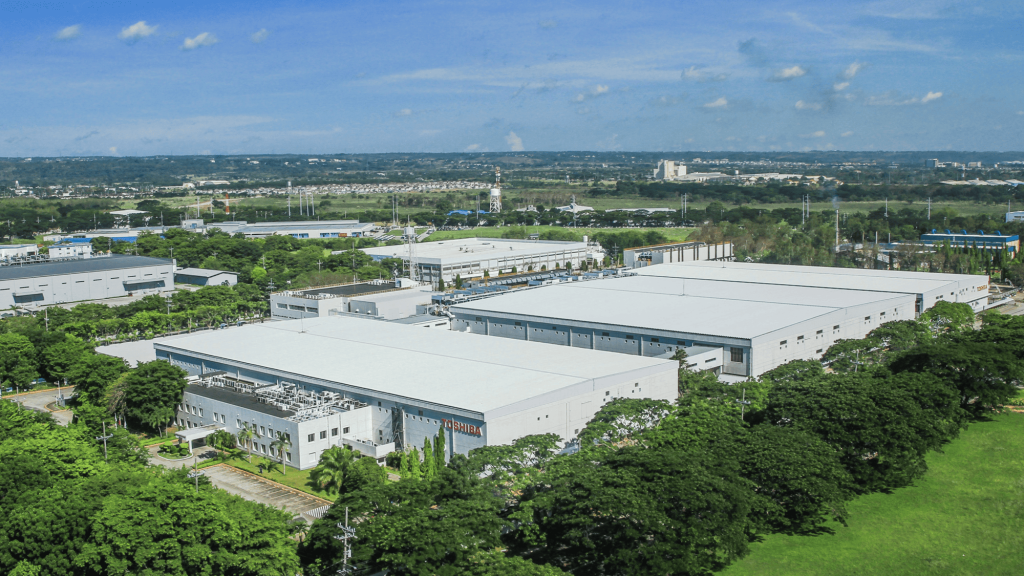
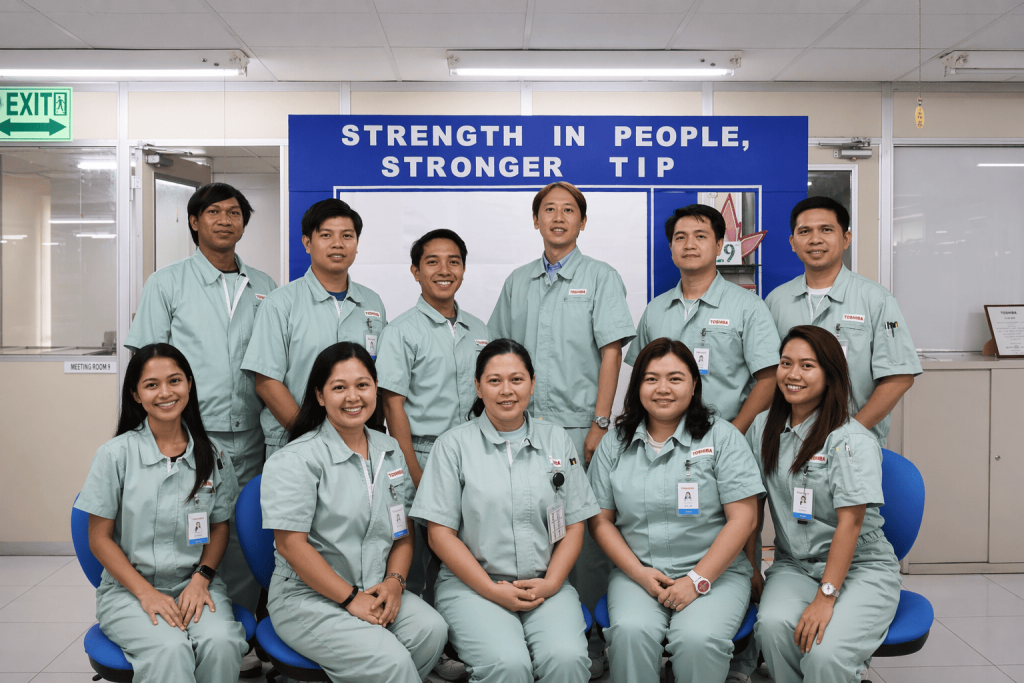
Toshiba entered the HDDs business in 1967. With nearly 60 years of experience in development and manufacturing, the Group is now one of the world’s three leading hard drive manufacturers. Its largest production base is Toshiba Information Equipment (Philippines), Inc. (TIP), located in Biñan City, about 35 kilometers south of Manila, Philippines. Established in 1996, TIP is a major global manufacturing hub for Toshiba and is celebrating its 30th anniversary this year.
This article provides an overview of the current HDD business and highlights TIP’s role through interviews with a Japanese expatriate overseeing manufacturing operations and a locally hired engineer involved in HDD design.
HDDs and Fast-Growing Demand for Data Storage
As global data volumes continue to expand rapidly, HDDs are more important than ever, drawing growing attention to their capacity and performance.
Data storage technologies include HDDs and solid-state drives (SSDs), among others.
HDDs were widely used in PCs and mobile products in the 1980s and ’90s, but SSDs later became the mainstream due to their faster data read/write speeds and greater resistance to shock. Nevertheless, HDDs continue to offer clear advantages in capacity and cost, and demand for them continues to grow—particularly from data farms handling enormous volumes of data. Today, HDDs remain the workhorses of data centers, and store about 80% of the data they handle.
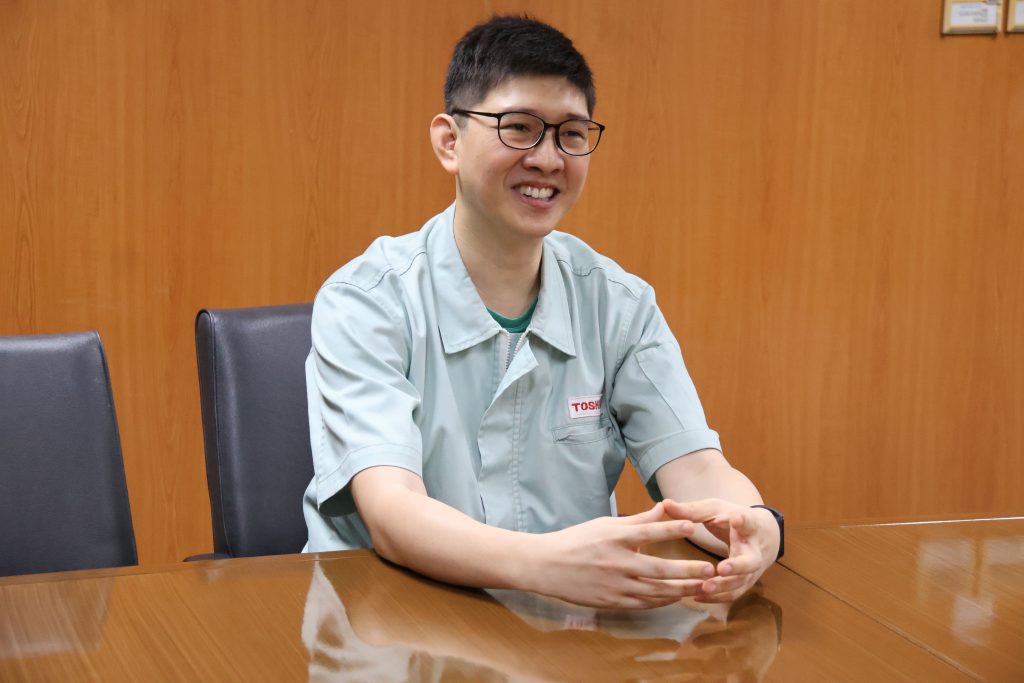
This trend is echoed by Atsushi Ikeda, who works in HDD manufacturing at TIP within the Manufacturing Engineering and Materials Science & Engineering departments.
“In recent years, cloud service providers have significantly stepped up capital investment in data centers. This has driven steady year‑on‑year growth in the HDD market, particularly for nearline drives. To keep pace with rising demand, TIP is operating at full capacity while advancing the development and mass production of high‑capacity models. Looking ahead, our focus is on increasing production volume in line with market growth and expanding our market share.”
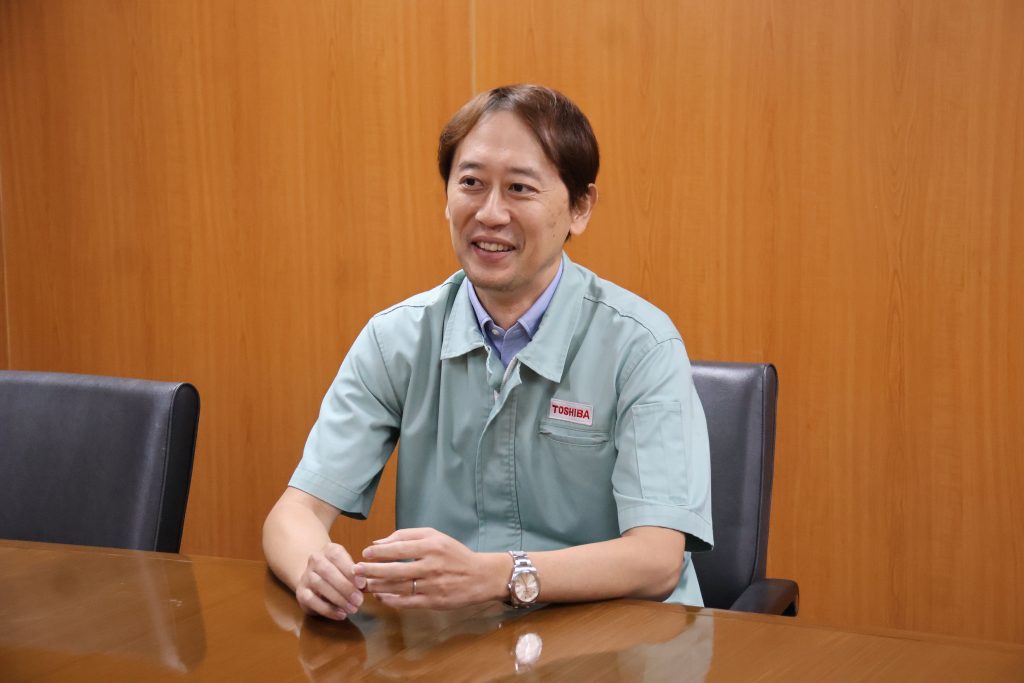
Ikeda has been based at TIP for five years – a move he had long hoped for.
“I previously worked on HDDs manufacturing technology in Japan, but I wanted to be closer to the front line of production and collaborate directly with local employees on manufacturing,” he explains. “I had already made a lot of business trips to TIP, and even then, I had the feeling that I would be assigned here someday.”
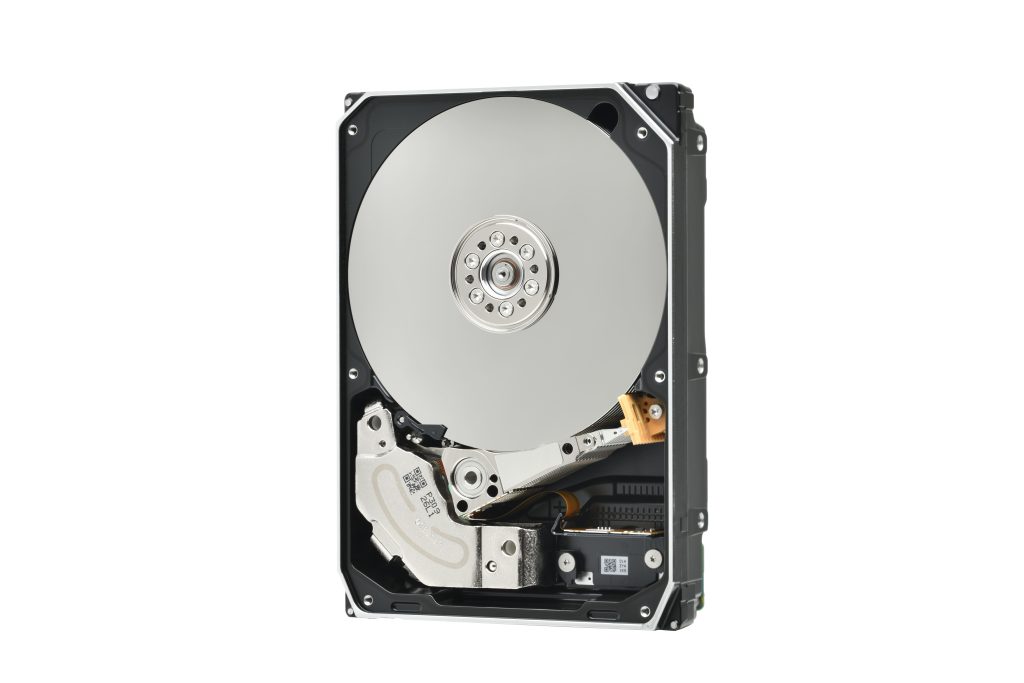
Ikeda’s responsibilities cover three main areas: maintaining stable manufacturing operations that align with production plans; serving as the bridge between manufacturing in the Philippines and product development in Japan; and advancing initiatives to improve productivity, in areas such as enhancing yields and reducing losses from scrap. Among these, he considers his role of connecting the sites in Japan and the Philippines, inherited from his predecessor, as particularly significant.
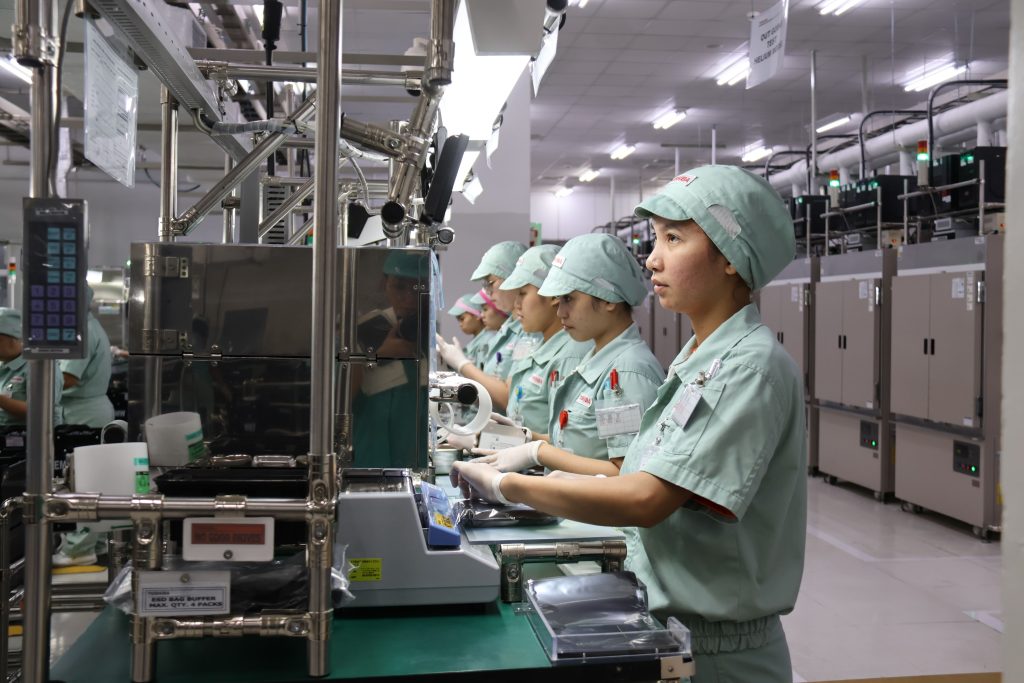
“TIP is a 24/7 mass-production facility,” says Ikeda. “When manufacturing of a new model begins, unexpected issues may arise on the factory floor, even if the product has been thoroughly tested in Japan. Each day serves as a reminder of the importance of making swift decisions and responding immediately when abnormalities occur.“
Advancing Design and Development with the Autonomy Project
As production continues to scale up, TIP has launched a new initiative known as the “Autonomy Project.” One of its core members is Jonas Tan, who works in HDDs design and development at TIP’s Core Technology Engineering Center.
“TIP has excellent people and a wide range of testing facilities. We are committed to making the most of these strengths, and since 2024, we have been actively advancing the Autonomy Project,” says Tan.
The Autonomy Project aims to strengthen TIP’s ability to operate independently while deepening collaboration between its design and development functions and those at Yokohama Office in Japan. TIP has since taken on certain initial analysis work previously handled in the Yokohama Office.
Under this framework, engineers in Yokohama review the outcomes from TIP and propose improvement measures, an approach that has enhanced both design and manufacturing efficiency.
“At TIP, problem‑solving is a hands‑on process of learning through experimentation,” Tan says. “When an issue arises on the manufacturing floor, such as improving yield, we test ideas one by one, observe the results, and refine our approach step by step. Not every attempt works, but each success builds on what we have learned before. Over time, those small breakthroughs accumulate and seeing that progress is what keeps us motivated and moving forward.”
Beyond this, TIP’s approach to business is grounded in a core philosophy of “simplicity, speed, and flexibility.” In practical terms, this means streamlining (simplifying) complex testing processes, eliminating unnecessary processes, and striving for flexible, efficient manufacturing that meets customers’ desired delivery requirements.
A turning point in the US, and future goals
Tan currently works in HDDs design and development, but he started his career on the manufacturing floor as a process engineer. His subsequent transfer to the design function opened up broader opportunities, including a six‑month assignment at Toshiba America Electronic Components in the United States, a Toshiba subsidiary responsible for semiconductors and storage products.
“Although the language barrier was a challenge, I have learned a lot working in an English-speaking environment. Being surrounded by talented engineers and involved in design work at an early stage of my career was a major turning point” said Tan.
Looking back, Tan says the experience deepened his understanding of HDDs. While manufacturing demands the precise execution of established processes, the design work requires repeated evaluations and experimentation, as well as the ability to think carefully to identify the root of a problem. Experiencing both has broadened his perspective as an engineer.
Looking ahead, Tan says, “I would like to take on a greater role in design work at TIP. One of the Autonomy Project’s key goals is to demonstrate the capabilities of Filipino engineers and to build a system that can meet the needs of Japan. I would also like to work in Japan someday if the opportunity arises.”
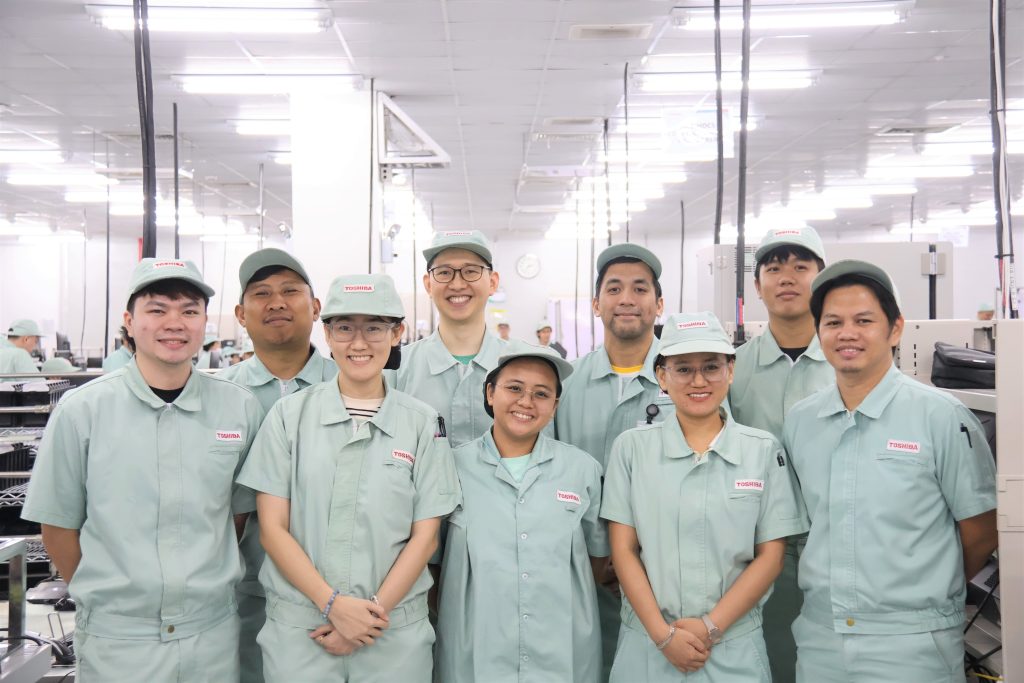
As global data generation continues to expand, TIP stands prepared for the next phase of growth. From its successful shift from mobile to nearline applications to the development of innovative, next‑generation hard disk drives, the company is building for the future. Supporting the infrastructure behind AI, TIP remains committed to evolving its capabilities and embracing new challenges ahead.
Company names, product names, and service names may be trademarks of their respective companies.
Share this article